


We get to the heart of your processes, remove inefficiency and make the results measurable, so your business gains more control with less effort.


From first enquiry to paid invoice: order and structure bring efficiency and a pleasant working environment.
Discuss your processesPrimary processes
The work that directly creates value for your customers. If something falters here, your customers notice straight away.
Boots on the ground

Supporting processes
The work behind the scenes that keeps everything running and often involves a surprising amount of manual work.
This is where your business quietly loses time
Retyping data across multiple systems
Indispensable employees
Spreadsheets only their creator understands
Errors and rework
Four steps to a new way of working
We don't look at how things are supposed to work on paper, but at how the work really happens. Together with the people who do it every day.
Shadowing and interviews
We spend time on the ground and talk to the owner, management team and staff. That way we see how the work really flows, including the detours and workarounds.
Mapping the process
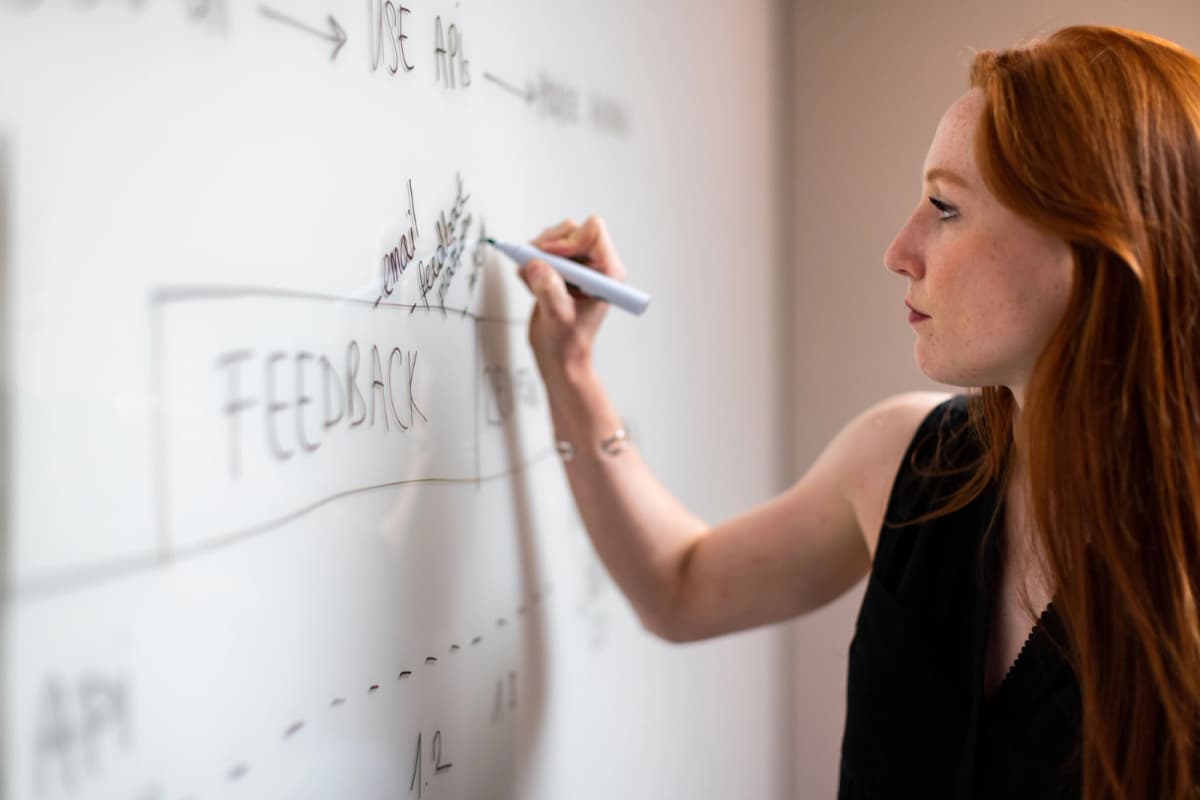
We draw out the process step by step: who does what, with which tools or systems, with what information and where work gets stuck. The result is one clear process map that everyone understands.
Bottlenecks and opportunities
We pinpoint where time is lost, where errors arise and what is done twice. For each bottleneck, we weigh the impact against the effort a solution takes.
New design and implementation
We design the improved process together with your team, capture it in work instructions and metrics, and guide the implementation until the new way of working becomes second nature.
Measure and keep improving
A new process is not the finish line. After implementation, we track the metrics together, hear how things work in practice and fine-tune where it can be better. That way the process keeps fitting your business, even as it grows or changes.
What we actually do and deliver
Practical, independent and together with your teamA process is any recurring route that work takes through your business. Think of an order going from quote to invoice, but just as much of onboarding a new employee or handling a support request. Such a route has often grown over the years: a checklist was added, an extra check, a second system. Every step once had a reason, but together they cost time, money and energy.
With a process analysis we make that route visible. As outsiders with no stake in the current way of working, we look at how the work flows now, where it gets stuck and how it can be simpler. We remove unnecessary steps, waiting time and duplicate work, always practical and tailored to your business. You won't get a weighty report, but a clear picture and a plan your team can start on straight away.
What we do
- Shadowing on the ground
- Interviews with the owner, management team and staff
- Reviewing systems, spreadsheets and forms
- Mapping lead times and waiting times
- Tracking down duplicate work and manual steps
- Finding the causes of errors and rework
- Designing the new process with your team
- Guiding implementation and measuring results
What you have at the end
Every analysis delivers tangible results that your team keeps using after the project ends.
Current-state process map
A clear drawing of how the work flows now: who does what, in which system and where people are waiting.
Bottleneck analysis
All bottlenecks in one overview, with for each one the cause, the impact on time and quality and the effort a solution takes.
Prioritised improvement plan
A plan with a clear order: first the improvements you can make straight away, then the steps for the longer term.
Design of the new process
The new way of working, developed together with your team and captured in a process map of the desired situation.
Metrics and KPIs
A small set of metrics that show whether the process is running better and where you can adjust course.
Work instructions
Clear instructions for each step, so knowledge no longer sits in a few people's heads and new colleagues get up to speed faster.

And after the analysis?
A good process analysis often also shows where software, integrations or AI can make the difference. Because Aurum Advies connects strategy, processes, IT and AI, you don't have to start from scratch. We help you choose the right software, connect systems, automate tasks smartly and keep the project on track. And afterwards we stay involved as a sounding board.

Questions about process analysis
Brainstorm right away?
+31 (0)85 124 9770That mainly depends on the number of processes and the number of people involved. After the introductory call, we decide together which processes to review and which one to start with. Along the way we keep you updated on progress, so you always know where we stand.
We deliberately keep the burden limited. We shadow during normal work and schedule interviews and sessions in consultation with you, so day-to-day operations carry on. We do ask for involvement in designing the new process: the people who do the work often know best what can be improved.
No. Especially in SMEs, where employees often wear several hats, a smooth process quickly makes a difference. We tailor the scope to your business: sometimes we look at one process that is causing friction, sometimes at the whole chain from quote to invoice.
Not necessarily. The biggest gains often come from simpler working agreements, fewer steps and better use of the systems you already have. If new software or an integration does make sense, we will tell you honestly. We advise you independently on the choice, with no vested interest.
That is common and not a problem at all. That is exactly why we start on the ground, in conversation with the people who do the work. By the end, the process is documented, in a process map and work instructions your team can maintain itself.
No. An improvement plan only changes something when the work actually changes as a result. That is why we guide the implementation of the new process, bring your team along and adjust where needed. If automation, integrations or AI applications could improve the work further, we are happy to explore the possibilities with you.
Together we choose a limited number of metrics that fit your goals. Think of the lead time from order to delivery, the number of errors or corrections, the time spent on manual work or the number of outstanding invoices. That way you can see after implementation whether things are improving and keep adjusting course.